


Solar panels on a Texas seller’s roof change more than the price. They shift the timeline, the buyer pool, and the paperwork sitting on the closing table. Rooftop solar keeps spreading, from Conroe subdivisions to the newer builds going up around Frisco and Wylie. Whether it helps or hurts your sale comes down mostly to one question: do you own it outright, or is it under a lease?
Solar Panels in Texas Real Estate: What Sellers Need to Know
Panels keep turning up on listing after listing across the state, and the ones already on roofs just got harder to replicate. The 30% federal residential solar credit under Section 25D expired December 31, 2025. A buyer who wants panels now pays full freight. That quietly helps any homeowner selling with a paid-off system overhead.
Homes are also taking longer to sell. Texas homes averaged roughly 80 days on the market in the first quarter of 2026, about six days longer than the same stretch a year earlier. Property inventory across the state climbed 7.4% year over year. Buyers have options. Options give them leverage to push back on anything they don’t understand or don’t want, and a solar contract they weren’t expecting to inherit qualifies.
A seller in the Conroe area called me a few years back with a roof repair estimate that ran higher than her kitchen renovation. Her panels complicated roof access and widened the scope of the work, and nobody at the table had seen it coming. On inspection day, the transaction nearly collapsed. We renegotiated credits two days before closing to keep her buyer in it.
So no, panels aren’t automatically a win. They can be, with the right setup and the right buyer. Walking in without a plan is where sellers get burned.
Pros and Cons of Selling a House with Solar Panels in Texas

Sellers with solar panels often price high, figuring buyers will see the value on their own. That logic breaks at the appraisal. Panels get treated differently from a kitchen remodel or added square footage, and in plenty of Texas markets the comparable sales data is thin or inconsistent. An appraiser in Weatherford may have almost nothing to reference. The value you counted on never shows up in the appraised number, and that gap can sink a transaction days before closing.
On the upside, an owned system cuts the monthly electric bill, and that pitch lands with people. Texas residential electricity has averaged about 16.44 cents per kilowatt-hour this year, roughly 11% under the national average of 18.44 cents. Texas households also burn through far more kilowatt-hours each month than the typical American home, thanks to the summers. Buyers chasing lower operating costs, especially out in the Hill Country where July bills climb hard, respond to documented energy savings.
Transaction friction is the real downside. Nearly half of agents, 48% of them, told the National Association of Realtors in its 2025 Residential Sustainability Report that solar panels make a home more difficult to sell. Leases and power purchase agreements are where things come apart, not the panels themselves.
How Solar Panels Affect Your Home’s Value in Texas
Owned solar panels do add value. How much is messier than the national headlines let on.
Zillow’s research put the premium at 4.1% for homes with solar over comparable homes without it. Leased systems are another matter, showing little to no measurable effect on resale value, since the buyer inherits an obligation rather than an asset. Ownership structure ends up being the single biggest factor in whether your panels translate to a higher sale price.
Run that 4.1% against the Texas median. Redfin put the statewide median sale price at $341,800 in March 2026, so the solar premium works out to roughly $14,000. That figure moves a lot depending on where in Texas you’re selling. In Dallas suburbs like Frisco and Plano, energy-conscious buyers are competing for the same homes.
Property taxes work in a seller’s favor here. Under Texas Tax Code Section 11.27, a homeowner is entitled to an exemption from taxation on the appraised value that arises from installing a solar energy device primarily for on-site energy use. Higher market value without a higher property tax bill is worth putting front and center in your listing.
Owned Vs. Leased Solar Panels: What Buyers Need to Know in Texas
Sit across from a buyer who has never seen a solar lease, and you’ll understand the hesitation fast. They aren’t only buying a home. They’re being asked to take on a contract that commonly runs 20 to 25 years with a solar company they’ve never heard of.
If your solar panels are owned but carry an outstanding lien, skip the TREC Addendum Regarding Fixture Leases, which exists for leased equipment. Language in the Special Provisions section should spell out that the buyer assumes the lien instead, and an attorney should draft it. Fully owned systems are simpler. Panels convey with the home, and your buyer inherits the warranties, the monitoring, and the energy production from the day the sale closes.
Leased systems run on a different track. Your buyer has to agree to assume the lease or power purchase agreement and clear the solar company’s credit requirements. Most buyers who qualify for a mortgage clear that bar too, though the extra step adds friction, and some people just don’t want a long-term contract they never negotiated.
Lenders factor a leased solar payment into the buyer’s debt-to-income ratio. In a market where buyers are already stretched on affordability, that monthly obligation can push someone out of qualification altogether. Sellers holding a lease should look hard at payoff options before listing. Your window narrows once you’re under contract.
Does Having Solar Panels Make Your Home Easier or Harder to Sell?
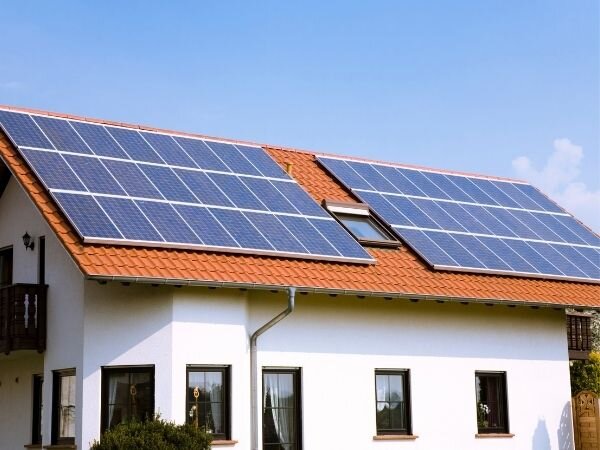
A seller in The Conroe reached out after three months of nothing. Beautiful 4-bedroom home, freshly painted, updated kitchen, and a solar system she was proud of. Her problem was a PPA contract with a rate escalation clause, the kind that raises the payment 1% to 3% every year, and buyers’ agents kept flagging it as a liability. Nobody wanted to assume an agreement they couldn’t evaluate inside a two-week option period.
Understanding how solar panels impact a transaction was the number-one sustainability-related challenge in that same NAR report, cited by 58% of agents surveyed. Agents aren’t confident here, and that uncertainty travels straight to their buyers.
Owned solar systems with real documentation tell a different story. Buyers in McKinney and Richardson ask about monthly utility costs before they ask about school districts these days. A paid-off system with verifiable energy production gives you something concrete to talk about. At Company that Buys Houses, we’ve bought from sellers whose panels were owned, leased, and financed mid-loan. We can tell you straight how your setup affects an offer, without asking you to decode a contract alone.
How to Make Solar Panels a Selling Point for Texas Buyers
Give buyers the numbers before they have to ask for them.
Pull 12 months of utility statements and show the monthly average before and after the solar system came online. A Fort Worth buyer used to $200-plus summer electric bills notices a home that averaged $60 in July. Frame your energy savings against the state benchmark and let people do the math themselves.
Check the age of the roof under your solar panels, too. Panels themselves last 25 to 30 years. If the shingles beneath them are already 15 years old, a buyer’s inspector will do that math, and pulling an array off for a roof replacement is an expense somebody has to own. Sellers who price that in ahead of time keep it from turning into a renegotiation two days before closing.
Get the solar system inspected before you list so you can hand over a clean report. Panels that have gone years without maintenance may underperform, and a buyer’s inspector will write it up. Confirm whether your system is owned, financed, or leased, then gather the contracts, payoff statements, and warranties from the solar company while there’s still time to fix problems. Homebuyers in competitive suburbs like Frisco or Plano are weighing several listings at once, and a complete solar package beats a listing that says “solar included” and stops there.
Documents You Need When Selling a Home with Solar Panels
Stay ahead of the paperwork. Gather the original installation agreement, any loan or lease documents showing the payoff balance or transfer terms, the manufacturer’s warranty, and the inverter warranty. Pull at least a year of production data from the monitoring app while you’re at it. Your title company will catch a lien tied to the solar loan at closing, and knowing that lien is there before you list is what lets you plan around it.
Texas now regulates residential solar sales under the Residential Solar Retailer Regulatory Act (SB 1036). Contract, disclosure, and five-business-day cancellation rules took effect September 1, 2025. Registration and enforcement through the Texas Department of Licensing and Regulation begin September 1, 2026. Agreements signed before September 1, 2025 sit outside the new rules, and so do power purchase agreements. If your paperwork predates the law, have a licensed real estate agent or an attorney read the contract before you go to market.
Include your property tax exemption approval if you’ve filed and been granted one. The application is Form 50-123, filed with your county appraisal district between January 1 and April 30 of the tax year.
What the Home Sale Process Looks Like with Solar Panels in Texas
Buyers are doing their homework at this price point, and sellers should too. A home with solar in Wylie moves through the same basic transaction steps as any other, though a couple of stages need extra attention.
Texas sellers fill out the standard Seller’s Disclosure Notice, and the solar system has to be described accurately, including whether the equipment is owned, financed, or leased. Getting that wrong invites post-closing disputes. After disclosure comes the option period, when buyers dig into the solar contract specifics. Budget for questions, maybe a delay, and possibly a renegotiation if the system inspection turns up problems.
At closing, a lien attached to the solar loan gets handled out of payoff proceeds, the same way a mortgage balance does. If your buyer is assuming a lease, the solar company runs that transfer separately, and both parties sign off on it. Ask your title company what they’ve closed before, because plenty of closers have never seen a solar transfer.
A woman I worked with was settling her father’s estate in Pflugerville. He’d moved into assisted living, and she was left with a home carrying a financed solar system and a balance still on it. Months of listing and waiting weren’t realistic, and she didn’t want to sell that way. She called Company that Buys Houses; we walked her through how the lien would be handled at closing, and she got a timeline she could plan around. The traditional listing isn’t always the right path. Sometimes it’s just the one that fits your actual situation. If you’re in a similar situation, Company that Buys Houses in Texas can help you see what your options look like with solar panels in the mix.
Frequently Asked Questions
Is It More Difficult to Sell a House with Solar Panels?
It depends on how the panels are owned. Own them outright, and they’re an asset that draws buyers and supports a higher price. Carry a lease or a power purchase agreement, and your buyer faces an extra approval step with the solar company, while lenders fold the monthly payment into debt-to-income calculations. That combination adds friction and sometimes costs you the buyer. Sellers who hand over the documentation, plus a clear read on the contract terms before listing, close more often.
Can I Remove My Solar Panels When I Sell My House?
You can remove owned solar panels, though it’s rarely the right call. Removal costs money, usually pulls in a roofing contractor to fix what’s underneath, and strips out a feature buyers may be paying a premium for. Leased panels aren’t the seller’s to remove. Ownership sits with the solar company, and the contract governs what happens. Talk it through with your installer or a real estate agent familiar with solar transactions before you decide.
Does Solar Increase Property Taxes in Texas?
No. Under Texas Tax Code Section 11.27, the appraised value added by a solar energy device installed primarily for on-site energy production is exempt from property taxation. The solar system has to be owned rather than rented to qualify. That exemption isn’t automatic, either, so a buyer inheriting a fully owned system files Form 50-123 with the county appraisal district to claim it going forward.
What Happens to My Solar Contract If I Sell My House?
Selling a house in Fort Worth with solar panels usually falls into one of three situations: the panels are leased, owned free and clear, or owned with a lien still against them. With a lien, the seller can pay it off from closing proceeds, or the buyer can agree to assume it and keep making the payments. With a lease or a PPA, your buyer has to qualify for the contract transfer through the solar company, which runs alongside the mortgage process rather than through it. Knowing which situation you’re in before you list saves a seller time and heads off surprises at the closing table.
If you want to talk through your options with solar panels in the picture, and you aren’t sure whether a traditional listing or a direct sale fits your situation better, we’re here. No pressure, no obligation. Reach out to Company that Buys Houses, and let’s figure out what actually works for you.