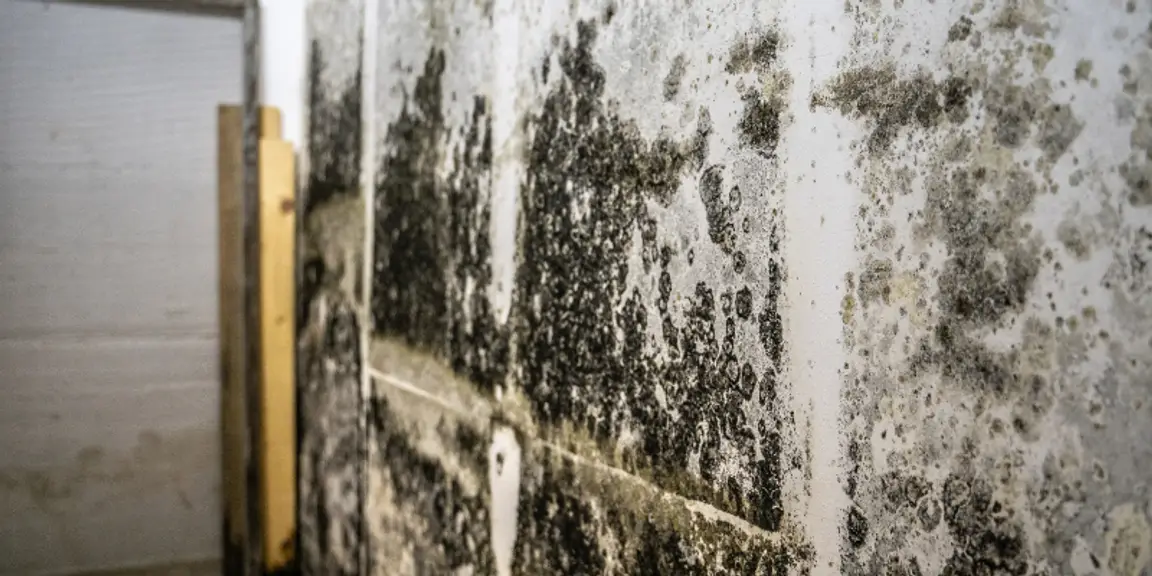

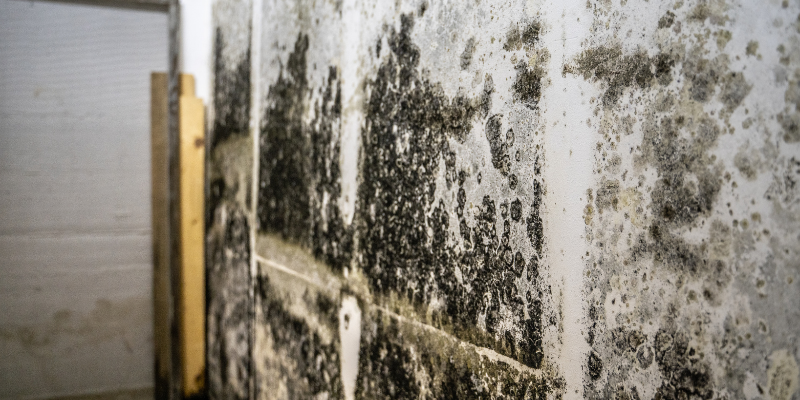
Pull back a baseboard in a Gulf Coast kitchen and you may find a dark seam along the bottom plate. It’s often been there for months. Texas gives mold almost everything it likes, from heavy humidity and long cooling seasons to slab foundations and HVAC systems that sweat into hall closets. So the question reaches my phone a few times a month, and the caller always sounds nervous. You can sell a house with mold in Texas. One lawful way exists, and another way gets you sued two years after closing.
I buy houses for a living, and I’m not an attorney, so treat this as general information. Have a Texas real estate attorney review your disclosure before you sign it.
Should You Sell Your Texas Home Before Buying the Next One?
A while back, a group of siblings called me about their mother’s house in Converse. The hall bathroom had a soft spot under the vanity that no one wanted to open.
They weren’t choosing between two houses. They were choosing between a deadline and a repair, and those pull in opposite directions.
If you buy your next place before this one sells, your lender will count the existing mortgage against you until the deed transfers. A property with visible mold growth seldom moves on a tidy schedule. Inspections get booked, then pushed. Buyers ask for a second opinion. Earnest money goes back, and you’re starting over with a stale listing.
Selling first costs you convenience. Selling second can cost you two house payments. I lean toward selling first whenever there’s a water issue, because a stalled listing only piles on carrying costs. You can rent for ninety days. You can’t un-sign a contract for the next house.
Order matters inside, too. Fix the source of the water first, because remediation on top of an active leak is like setting money on fire.
What Does Texas Law Require When You Sell a House with Mold?
Hide a known mold problem, and closing won’t end your exposure. Texas buyers have brought fraud and deceptive trade practice claims over concealed water damage, and an “as-is” clause doesn’t erase what you knew and kept quiet.
Selling a Texas home with a single dwelling unit almost always means handing the buyer a written Seller’s Disclosure Notice. That duty comes from Texas Property Code Section 5.008, which carves out a short list of exemptions, like foreclosure sales and transfers between co-owners. The Texas Real Estate Commission publishes a form that meets the requirement. That form never uses the word mold, so don’t treat a missing checkbox as your excuse.
What the form does ask about fits this problem squarely. It covers known defects in interior walls, ceilings, and plumbing, plus improper drainage and water damage not caused by a flood. A mold colony behind a shower pan is a known defect in a building component, so it belongs on the form.
Deliver the notice before the contract if you can. If it shows up late, the buyer can terminate for any reason within seven days of receiving it. That’s a lousy way to lose a sale you already had.
If the house was ever remediated, the standard TREC resale contract also has you hand over each Certificate of Mold Damage Remediation issued in the past five years.
Keep each piece of paper:
- The assessment report
- Photos of the open wall cavity
- The work plan, also called the remediation protocol
- Any certificate a licensed professional issued when the job closed out
- The invoice for the plumbing repair
With that file, you can show you disclosed the problem instead of hiding it.
Who Can Legally Remove Mold in Texas?
Maybe you’re picturing a jug of bleach, a Saturday morning, and a fresh coat of Kilz. For mildew on grout, fine. For mold growing inside a wall, you’re painting over a problem a buyer’s inspector will find with a moisture meter in under a minute.
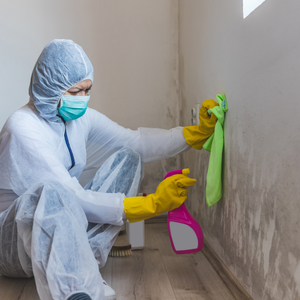
Hiring someone for mold work in Texas puts you in a regulated trade. The Texas Department of Licensing and Regulation oversees mold assessment and mold remediation under Occupations Code Chapter 1958 and the rules in Title 16 of the Administrative Code. TDLR issues separate licenses for assessment and for remediation, and one doesn’t cover the other. An assessment consultant inspects, samples, and writes the protocol. A remediation contractor does the cleanup. No one can do both on the same project, which keeps the person writing the prescription from selling you the pills.
You can clean mold in your own home without a license. That exemption covers you, not whoever you hire.
Scope drives the rules. Jobs under 25 contiguous square feet of mold are exempt from the licensing law, so any contractor can handle them. At 25 contiguous square feet or more, a licensed remediation contractor does the work. Before that work starts, a licensed assessment consultant writes the protocol and hands it to you at least a day ahead. TDLR’s mold pages list the current rules, and you can search license numbers there.
Check the license before the truck shows up. If a company cuts corners, you can file a complaint with TDLR online, up to two years after the problem.
When Should You Sell a Texas Home with Mold?
Waiting until spring with an active moisture problem is bad advice dressed up as patience.
Spores don’t care about your listing date. Each month the house sits, the damage spreads, and the repair scope grows with it. A stain that would have been a one-room job in January can turn into subfloor replacement by June.
Buyers here expect to haggle on price. A disclosed mold issue turns into one more line item in a talk they were going to have anyway. It stops being a bombshell.
Add up what your house costs you each month while it sits. Mortgage, taxes, insurance, and the utilities that keep the AC running so the humidity stays down. Sellers often forget that last one. Your real deadline is that monthly figure, not the calendar.
Hurricane season and the spring storm window both push water into Texas homes. If you have a known leak, move now, in any month.
How Does Mold Affect Insurance on a Texas Home?
Your insurance history follows the house. Texas mold claims spiked in the early 2000s, and most homeowner policies now limit or exclude mold coverage. When a mold claim shows up in a property’s loss history, the next owner can face a higher premium or a declined application. That lands on your buyer during their option period.
The Certificate of Mold Damage Remediation is your best defense here. Under the Texas Insurance Code, an insurer can’t make an underwriting decision based on past mold damage once the property has been remediated and certified. Only a licensed remediator can issue that certificate on a Texas Department of Insurance form. If you’re paying for remediation anyway, make sure the certificate is part of the job. A buyer will value it more than any before-and-after photos.
Landlords have other math to do. A rental with mold complaints carries habitability exposure that doesn’t vanish when the lease ends. A house that’s been through a full remediation cycle can be priced better than one that just gets re-leased.
If you plan to keep the property as a rental, budget for ventilation and HVAC work over cosmetics. An oversized air conditioner short-cycles and pulls almost no humidity out of the air. Spores keep growing in return air chases from Bexar County up the I-35 corridor.
Investors such as Company That Buys Houses underwrite these properties with the remediation and the insurance history already priced in. That’s the difference between an offer that holds and one that gets renegotiated weeks into the contract.
How Does Mold Affect Buyer Financing in Texas?
Your buyer brings a pre-approval letter, the appraisal comes back fine, and everyone starts packing. Then the appraiser’s report reaches the bank with a note about moisture staining in the primary closet, and the loan goes conditional. No funding until the condition is cured and re-inspected.
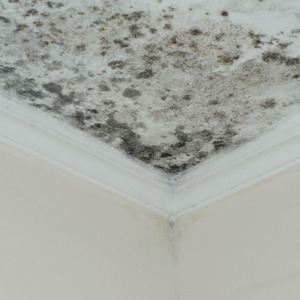
That’s where mold sales die. Government-backed loans treat health and safety problems as required repairs, and a conventional underwriter can ask for the same. Suddenly the seller is paying for remediation before closing, out of proceeds that haven’t arrived.
If you owe money on the house, run the numbers before you list. Take your payoff balance, add whatever remediation the lender may demand, and add commissions and title costs. Then hold that against a realistic sale price. In a traditional sale, closing costs and agent pay eat a real share of the price, and commission is most of it.
Cash closings skip the appraisal condition entirely. No bank needs satisfying, no underwriter is reading inspection photos, and no one sets up a repair escrow. That’s why investor offers come in below retail. The buyer is taking on the problem and the uncertainty along with the property.
Should you take a lower number to avoid a financing blowup? Your equity usually answers that. With thin equity and a lender-required repair, a cash buyer may net you more than a retail listing that falls apart twice. I’ve watched sellers chase a higher list price for months and then close for less than the first direct offer they turned down.
Can You Sell a House with Mold in Texas?
Picture a sagging ceiling tile in a Universal City kitchen and a listing agent who wouldn’t mention it in the MLS. The house sat with no showings worth counting. Once the seller disclosed it plainly and priced it for the condition, it went under contract fast.
Yes, you can sell a house with mold in Texas. No Texas law bars the sale. What the law governs is what you say about the mold and who you hire to fix it.
Three honest paths exist, and the right one depends on your cash and your calendar.
| Path | What you get | What it costs you |
|---|---|---|
| Remediate first, then list. | The highest gross price | Assessment, protocol, remediation, source repair, and clearance testing, plus weeks off the market |
| List as-is with full disclosure. | A shot at retail buyers | Fewer buyers, more inspection drama, and a lower price |
| Sell directly to an investor. | Speed and the simplest closing | The lowest gross price |
Remediating first means you front every one of those costs. Plan on weeks, not days, with the house off-limits for showings in the middle.
Listing as-is shrinks your pool and your price. Retail buyers with a bank loan often can’t close on a property with an open mold condition, so you’re mostly left with cash buyers and renovation-loan shoppers.
Selling direct is where the as-is language actually means something, because there’s no lender in the room. You still complete the disclosure notice, since selling to a professional buyer never suspends that duty. Our We Buy Houses In Texas page explains how that path works statewide.
Which of those fits the money you have on hand right now?
Does Remediation Pay Off in Your Texas Market?
I used to think buyers discounted a mold house by the cost of the fix. They don’t. They discount it by what they fear the fix might turn into once the drywall comes off.
Prices and pace vary widely across Texas. A San Antonio house, an Austin house, and a Fort Worth house can sit in markets that look nothing alike. Same state, but the math on whether remediation pays for itself won’t match.
Try this test. If your house would sell cleaned up at $280,000 and a contractor estimates a mid-four-figure remediation plus plumbing repair, remediating usually wins. If the estimate climbs toward five figures with subfloor and cabinet replacement, and buyers nearby have plenty of other choices, the math flips fast.
Buyers care more about price bands than averages. Homes priced right still move, and overpriced listings sit whether or not there’s mold in them. North Texas owners can start with a cash home buyer in Fort Worth for an as-is number.
How Much Should You Spend on Mold Before Selling?
Start with what a legitimate company carries. TDLR charges an $850 fee for a mold assessment or remediation company license and requires at least $1 million in commercial general liability coverage per occurrence. Ask any contractor for proof of both. One who can’t produce either isn’t cheap. He’s uninsured.

Sellers lose money to renovation creep. Mold turns up, a wall comes open, and a few weeks later someone’s picking out quartz countertops. Remediation should restore things to safe and dry, nothing more.
Spend on the source of the water first. That could be a failed supply line, a roof penetration, a condensate drain backing up into its pan, or a negative grade pushing rain toward the slab. Skip that repair, and the mold returns, and your clearance test was theater.
Next comes the cleanup itself, done under a written protocol with a clearance assessment at the end.
Skip the rest. Fresh carpet in the other bedrooms, new fixtures, and exterior paint won’t move the needle on a house with a documented water history. Buyers price that property off its condition and the paperwork you hand them, not off a vanity upgrade.
One common mistake is paying a general contractor to “take care of the mold” with no assessment, no protocol, and no certificate. You spent the money, and you still can’t prove anything to a buyer, a lender, or an insurer.
Is There Help for Texas Homeowners with Mold?
I’ll tell you what I’d want someone to tell me across the kitchen table. I don’t know of any state fund that writes checks for mold cleanup in Texas, so be wary of anyone promising one.
What does exist is worth using. TDLR’s license search is free and takes a couple of minutes. Some cities run home repair programs with income limits, and those can cover the plumbing problem underneath the mold. San Antonio’s Minor Repair Loan, for example, handles plumbing and electrical jobs under $25,000 for owners at or below 80% of area median income, though it won’t pay for environmental remediation. Your city housing department or county community services office can tell you what’s open and how long the waiting list runs.
If you have an active policy, file the water damage claim quickly, before mold sets in. Carriers draw a hard line between sudden water events and long-term neglect. An attorney who handles property insurance disputes is worth an hour of consultation if a large claim gets denied.
A seller in Katy called me after her listing had sat for months. Her inspector had flagged mold under the kitchen sink, word got around, and every buyer after that asked about it before they asked about the schools. We closed quickly.
Frequently Asked Questions
Do You Need a License for Mold Remediation in Texas?
If you’re doing the work yourself in your own home, you don’t need a license. Hire someone, and the rules change. Work done for another person generally falls under TDLR’s licensing program, with separate credentials for assessment and cleanup. Larger affected areas require a licensed remediation contractor plus a written protocol from an assessment consultant. Check any contractor’s credentials on the state license search before you sign.
How Do You Prove a Seller Knew About Mold?
Buyers and their attorneys build these cases out of paper. Old insurance claims on the same wall, repair invoices that mention water, and text messages to a handyman all count. The seller’s disclosure notice is the central exhibit the moment an answer turns out to be wrong, since the Texas form asks straight out about water damage, drainage, and known defects. Prior listing photos sometimes show a stain that later vanished under fresh paint. None of this needs a smoking gun, only enough overlap to suggest the seller knew and left the box unchecked.
Does Mold Have to Be Disclosed in Texas?
Known material defects do, and mold that affects the property’s value or habitability qualifies. The practical test isn’t whether you used the word “mold.” It’s whether you answered the disclosure questions honestly, including the ones about water damage, roof repairs, and plumbing. Disclosing an issue seldom kills a sale the way sellers fear. Hiding one that surfaces during the option period almost always does.
Is It Legal to Sell a House with Mold in Texas?
Yes. Nothing in state law prohibits the sale, and these houses change hands all the time. What changes is the pool of buyers. Conventional and FHA financing gets difficult once an appraiser or inspector notes active moisture, which pushes most of these sales toward cash. Price accordingly, disclose fully, and the transaction is routine.
How Much Does Mold Remediation Cost in Texas?
Small jobs under a sink or behind a single wall often run $500 to $1,500, based on national cost data. Whole-house work involving HVAC contamination, several rooms, or demolition and rebuild can reach $10,000 to $30,000. The number no one budgets for is the source repair, since remediation without fixing the leak means paying twice. Get the assessment first so you’re pricing a real scope instead of a guess.
If you’re sitting in a house with a mold problem and you’d rather skip the contractors, the re-inspections, and another expired listing, send us the address. We’ll tell you what we can pay and what we’d do with it. When you’re ready, contact Company That Buys Houses. There’s no pressure either way, and no hard feelings if repairing and listing turns out to be the better road for you.
Helpful Texas Blog Articles
- Seller Didn’t Disclose Termite Damage in Texas
- What Can I Write Off When I Sell My House in Texas?
- Selling an Inherited House in Texas
- Avoid Closing Costs When Selling Your House in Texas
- Selling Your House Without A Realtor In Texas
- How to Sell a House During a Divorce in Texas
- Sell Your Home Below Market Value in Texas
- Documents Required for Selling Inherited Property in Texas
- Selling a House With Water in the Crawl Space in Texas
- How To Sell A Fire-Damaged House In Texas
- Selling A House With A Lien In Texas
- How Long to Live in a House Before Selling
- How To Sell Rental Property Without Paying Taxes
- Selling a House Without a Permit for Unpermitted Work