![Selling a House with a Waterlogged Crawl Space [market_city]](https://image-cdn.carrot.com/eyJidWNrZXQiOiJwcm9kdWN0aW9uLmNhcnJvdC11cGxvYWRzLm9uY2Fycm90LmNvbSIsImtleSI6InVwbG9hZHMvc2l0ZXMvNzU3MTMvMjAyNi8wNi9TZWxsaW5nLWEtSG91c2Utd2l0aC1hLVdhdGVybG9nZ2VkLUNyYXdsLVNwYWNlLnBuZyIsImVkaXRzIjp7InJlc2l6ZSI6eyJ3aWR0aCI6MTE1Mn0sInRvRm9ybWF0Ijoid2VicCIsIndlYnAiOnsicXVhbGl0eSI6NzB9fX0=)

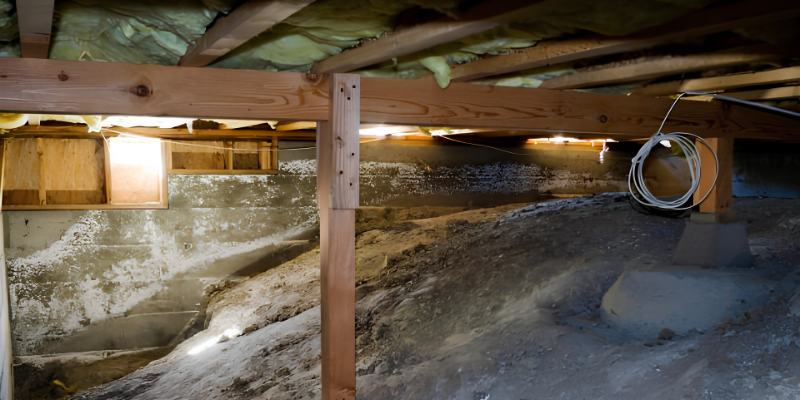
Every house has its secrets, and some of them collect in the darkest corners. You might think a little standing water under your house isn’t worth mentioning, especially if it only shows up after those North Texas thunderstorms. But buyers don’t see it that way.
Water in your crawl space creates more than just a disclosure headache. It affects how much money you’ll walk away with, which buyers will even consider your property, and whether you’ll spend months fielding lowball offers from investors looking for their next flip project.
The good news? You have options, and not all of them involve gutting your bank account before you list.
How to Identify Crawl Space Water Damage Before Selling Your Texas Home
Does your crawl space smell musty even when it’s been dry for weeks? That’s often your first clue that moisture has been hanging around longer than it should.
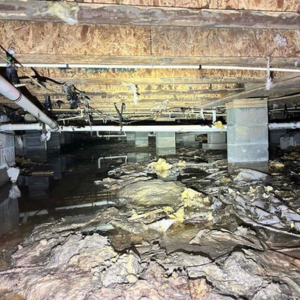
Standing water is obvious, but subtler signs matter more when you’re preparing to sell. Look for white, chalky residue on your foundation walls where water has evaporated repeatedly. Dark stains on wooden floor joists indicate moisture exposure over time, and wood that feels spongy under pressure has begun to rot. Any beam that gives under pressure needs professional attention before you list. Water marks on concrete blocks can show how high the flooding has reached during heavy rains.
Check your vapor barrier if you have one. Tears, bunching, or areas where plastic sheeting has pulled away from walls create entry points for ground moisture. Missing insulation around pipes or ductwork sometimes indicates past water damage that was cleaned up without fixing the source.
Use a flashlight to examine every corner, especially around plumbing penetrations and where your foundation meets the soil line. A persistent earthy smell usually means mold growth somewhere in the space, even if you can’t see it behind insulation or inside wall cavities.
Finding these issues early gives you more control over how to handle them before buyers start digging around on their own.
Texas Disclosure Laws for Crawl Space Water Damage When Selling a Home
Texas sellers must provide potential buyers with a Seller’s Disclosure Notice under the Texas Property Code. This standardized form includes specific sections requiring disclosure of known water damage, leaks, and flooding history. This isn’t a best practice. It’s a legal requirement.
You only need to disclose what you actually know, and there’s no obligation to hire an inspector to uncover unknown problems. But you can’t claim ignorance about issues you’ve experienced or been told about. If you’ve ever mopped up water, noticed staining, or had a contractor mention moisture problems, that knowledge triggers your disclosure obligation. Intermittent problems count too. A crawl space that only floods during tropical storms still requires disclosure.
Failing to disclose known water damage carries real legal risk. Buyers who discover undisclosed issues after closing may pursue claims under the Texas Deceptive Trade Practices Act (DTPA), which can result in awards covering repair costs, diminished property value, and attorney fees.
When in doubt, disclose. Completing the Seller’s Disclosure Notice thoroughly and accurately is your best protection against future legal claims.
How Crawl Space Water Damage Affects Home Value in Texas
Water damage doesn’t just complicate your sale. It changes who will buy from you and at what price.

Texas homes averaged 65 days on market statewide in the second quarter of 2026, three days longer than a year earlier, but anything with a disclosed moisture problem typically sits longer. Buyers worry about hidden repair costs they can’t predict, which translates into fewer showings, lower offers, and more contingencies.
Conventional buyers using financing face an additional hurdle: lenders often require moisture problems to be resolved before approving a loan. That means you’re either fixing the issue or limiting yourself to cash buyers. Buyers who do make financed offers tend to subtract estimated repair costs from their price, then add a buffer for unknowns. A $3,000 waterproofing estimate can easily become a $6,000 reduction in their offer.
The Dallas-Fort Worth median price slipped 1.2% year over year in the second quarter of 2026, to $395,145. In a market where prices have stopped climbing, a moisture disclosure makes your property a harder sell. And here’s the dynamic most sellers don’t anticipate: buyers routinely assume crawl space problems are worse than they actually are. A straightforward drainage fix in their minds becomes a foundation concern. Sellers who reach out to cash home buyers in Arlington hear the same worry.
Low-Cost Crawl Space Water Damage Fixes Before Selling
Many crawl space moisture problems stem from poor drainage around the foundation, not catastrophic structural failure. Some of the most effective solutions cost a few hundred dollars, not thousands.
Improve drainage and grading. Extending downspouts away from the house and regrading soil to slope away from the foundation solves a surprising number of moisture problems without any excavation.
Install a vapor barrier. Properly installed 6-mil plastic sheeting with sealed seams transforms a damp crawl space into something that looks professionally maintained. Buyers can see during inspections that steps have been taken. The psychological impact on buyer confidence tends to be disproportionate to the cost.
Add a sump pump. Modern sump pump systems are reliable, relatively inexpensive to maintain, and reassure buyers that standing water has an active solution.
Improve ventilation. Adding foundation vents or improving existing airflow prevents moisture buildup between rain events. It costs very little and demonstrates that you understand the issue.
Run a dehumidifier. For homes where water seeps through foundation walls during heavy rain, which is common in many Texas soils, maintaining proper humidity levels prevents mold growth and wood rot even when you can’t fully eliminate the moisture source.
Whatever you do, document everything. Photos of improvements, receipts for materials, and any maintenance records give buyers evidence of proactive management rather than neglect.
Does Professional Crawl Space Waterproofing Increase Your Home’s Sale Price in Texas
Many sellers ask why they should spend money fixing something for the next owner. The answer depends on your specific numbers.
Professional waterproofing typically costs several thousand dollars for most Texas homes, depending on crawl space size and the extent of moisture intrusion. In favorable conditions, such as a competitive local market with a property priced to attract financed buyers, that investment can return more than it costs by removing the uncertainty that drives buyers to discount aggressively.
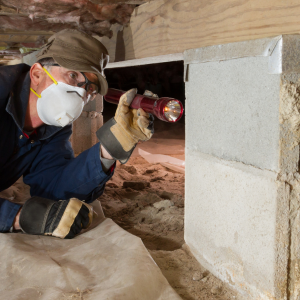
The most valuable part of professional work often isn’t the repair itself. It’s the transferable warranty. Most established waterproofing companies offer guarantees that transfer to new owners, which directly addresses buyer concerns about recurring problems.
Texas has consistently ranked among the top states for population growth, adding hundreds of thousands of new residents annually in recent years. In a growing market with active buyer demand, move-in-ready properties command meaningfully higher prices than those requiring immediate repairs.
That said, professional waterproofing doesn’t always pencil out. If your market is soft, your property needs other significant repairs, or your timeline is short, completing expensive moisture remediation before listing may not return full value. Price your home accordingly and let buyers factor the condition into their offers. It’s a legitimate path that many sellers choose.
If you do pursue professional work, complete it at least 60 days before listing so the system can prove itself through a full rain cycle before buyers and their inspectors arrive.
Selling a House with Crawl Space Water Damage: Cash Buyers vs. Financed Buyers in Texas
| Cash Buyers | Financed Buyers | |
|---|---|---|
| Closing timeline | 2 to 3 weeks | 30 to 45 days or longer |
| Inspection contingencies | Typically none | Usually required |
| Lender approval required | No | Yes |
| Moisture remediation required | No | Often required by lender |
| Offer price | Below market | Closer to market value |
| Deal fall-through risk | Low | Higher with water damage disclosed |
| Repair credits demanded | Factored into initial offer | Negotiated after inspection |
Buyers using conventional or FHA financing face lender requirements that can turn a manageable moisture issue into a deal-killer. Underwriters may require professional remediation, additional inspections, or engineering reports before approving a loan, adding weeks to the timeline and sometimes causing the sale to fall apart entirely.
Working with cash home buyers in Texas is a different experience entirely. They evaluate the property as-is, factor repair costs into their initial offer, and close without lender-imposed conditions. Closings typically happen in 2 to 3 weeks, regardless of property condition. Homeowners who want to sell a house fast in North Richland Hills get the same as-is treatment.
The tradeoff is price. Cash investors offer less than financed buyers because they’re assuming risk and building in a profit margin. Whether a cash offer nets you more depends on your carrying costs, your timeline, and whether financed sales in your market are actually closing on disclosed moisture properties.
Here’s a scenario worth thinking through: a cash buyer offering $185,000 with a 20-day closing may net you more than a financed buyer offering $195,000 with a 45-day closing that includes inspection periods where sales regularly unravel. Run the actual numbers for your situation before assuming the higher number is the better offer.
Texas closed sales rose 4.5% statewide in the second quarter of 2026, though results split market by market. Even in an active market, financed buyers often walk away from disclosed moisture issues rather than navigate lender complications. That’s a market reality worth pricing and planning around.
Can You Sell a House with Water in the Crawl Space in Texas
You can absolutely sell a Texas home with crawl space water damage. Plenty of buyers, including investors, flippers, and experienced homeowners, specifically look for properties with known issues because they can negotiate better prices and handle repairs on their own terms. Fort Worth sellers run into this regularly, given the area’s clay-heavy soils and seasonal rainfall patterns that push moisture into crawl spaces every spring. If that’s your situation, you can sell your home for cash in Fort Worth, TX, without making a single repair.
The sellers who struggle are usually the ones who overprice the property relative to its condition, hoping buyers won’t notice the disclosure or will fall in love enough to overlook it. That approach tends to produce extended market time and eventual price reductions that end up lower than a realistic starting price would have been.
The sellers who do well take the opposite approach:
- Disclose completely and accurately
- Make low-cost improvements that reduce buyer anxiety
- Price the property to reflect its current condition
- Understand which buyer pool is most likely to close
Over the next five years, most analysts expect Texas home price growth to moderate to around 2-4% annually. In a slower-growth environment, properties with disclosed issues compete on price and presentation. Get both right, and water in the crawl space doesn’t have to be the reason your home sits.
Frequently Asked Questions
Can You Sell a House with Water in the Crawl Space?
Yes. Texas law requires disclosure of known moisture issues, but disclosure doesn’t prevent a sale. Many buyers, particularly cash investors, will purchase properties with known water problems at prices that reflect the current condition.
What Should You Not Fix Before Selling?
Cosmetic issues buyers may want to change anyway, like paint colors or dated fixtures that still function, generally aren’t worth spending money on. Safety issues and structural concerns are different. Water damage sits in a gray area: disclosure is required regardless, but expensive repairs don’t always return their full cost in the sale price. Evaluate based on your specific market and buyer pool.
What Is the Most Common Reason a Property Fails to Sell?
Overpricing, especially on properties with disclosed issues. When unrealistic pricing meets known problems, interested buyers can’t justify the cost and offers don’t come.
Will Homeowner’s Insurance Cover Crawl Space Water?
Most policies exclude water seepage, groundwater intrusion, and flooding from external sources. If the water damage resulted from a covered peril like a burst pipe, insurance may apply. Review your specific policy, and consider flood insurance if your area has recurring water issues.
If you’d rather skip repairs and sell on your timeline, Company That Buys Houses works with Texas homeowners in exactly this situation. Contact us to get a no-obligation cash offer based on your home’s current condition.
Helpful Texas Blog Articles
- Seller Didn’t Disclose Termite Damage in Texas
- What Can I Write Off When I Sell My House in Texas?
- Selling an Inherited House in Texas
- Avoid Closing Costs When Selling Your House in Texas
- Selling Your House Without A Realtor In Texas
- How to Sell a House During a Divorce in Texas
- Sell Your Home Below Market Value in Texas
- Documents Required for Selling Inherited Property in Texas
- Selling a House With Water in the Crawl Space in Texas
- How To Sell A Fire-Damaged House In Texas
- Selling A House With A Lien In Texas
- How Long to Live in a House Before Selling
- How To Sell Rental Property Without Paying Taxes